Lake Louise Traffic Safety and Wildlife Connectivity Program
2022-2025 | Lake Louise, AB
Improving Traffic Safety and Mobility in Lake Louise
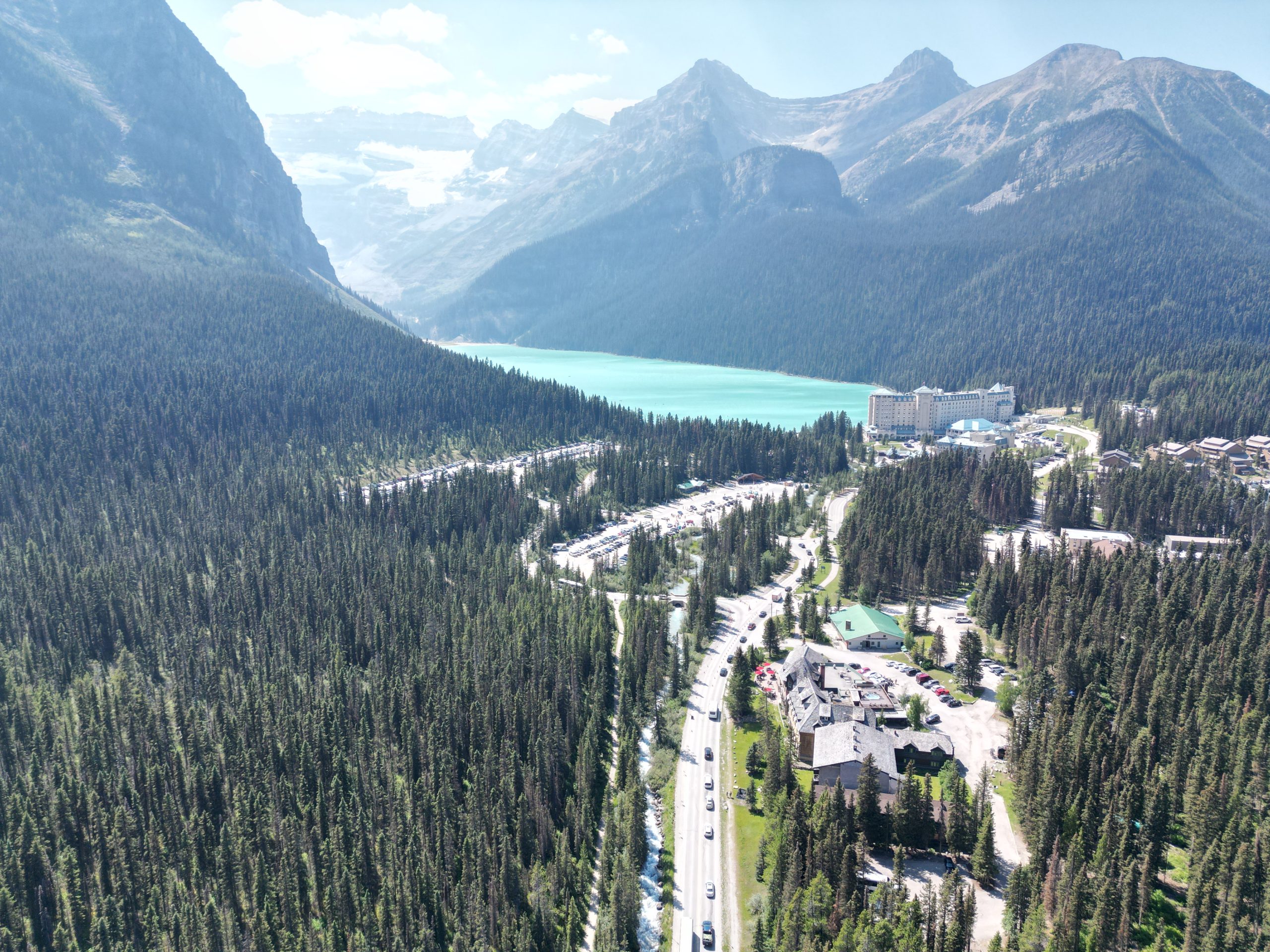
Surging visitation to Lake Louise — between 10-12,000 visitors on an average summer day — placed significant strain on aging infrastructure, increasing congestion and safety risks.
McElhanney partnered with Parks Canada (PCA) to deliver a coordinated infrastructure program along Lake Louise Drive and Whitehorn Drive, improving safety, traffic flow, and ecological connectivity in one of Canada’s most visited destinations.
Addressing Congestion, Safety, and Environmental Pressures
As a high-use national park and transportation corridor, the project needed to respond to intersecting challenges:
- Traffic congestion on constrained mountain roads and intersections
- Aging infrastructure
- Human–wildlife conflict across key habitat corridors
- Sensitive natural systems, including aquatic and protected environments
The solution required balancing reliable access with long-term environmental stewardship.
Integrated Engineering Solutions for Transportation and Ecology
McElhanney delivered a phased, multidisciplinary program integrating transportation engineering with environmental planning.
Key improvements included:
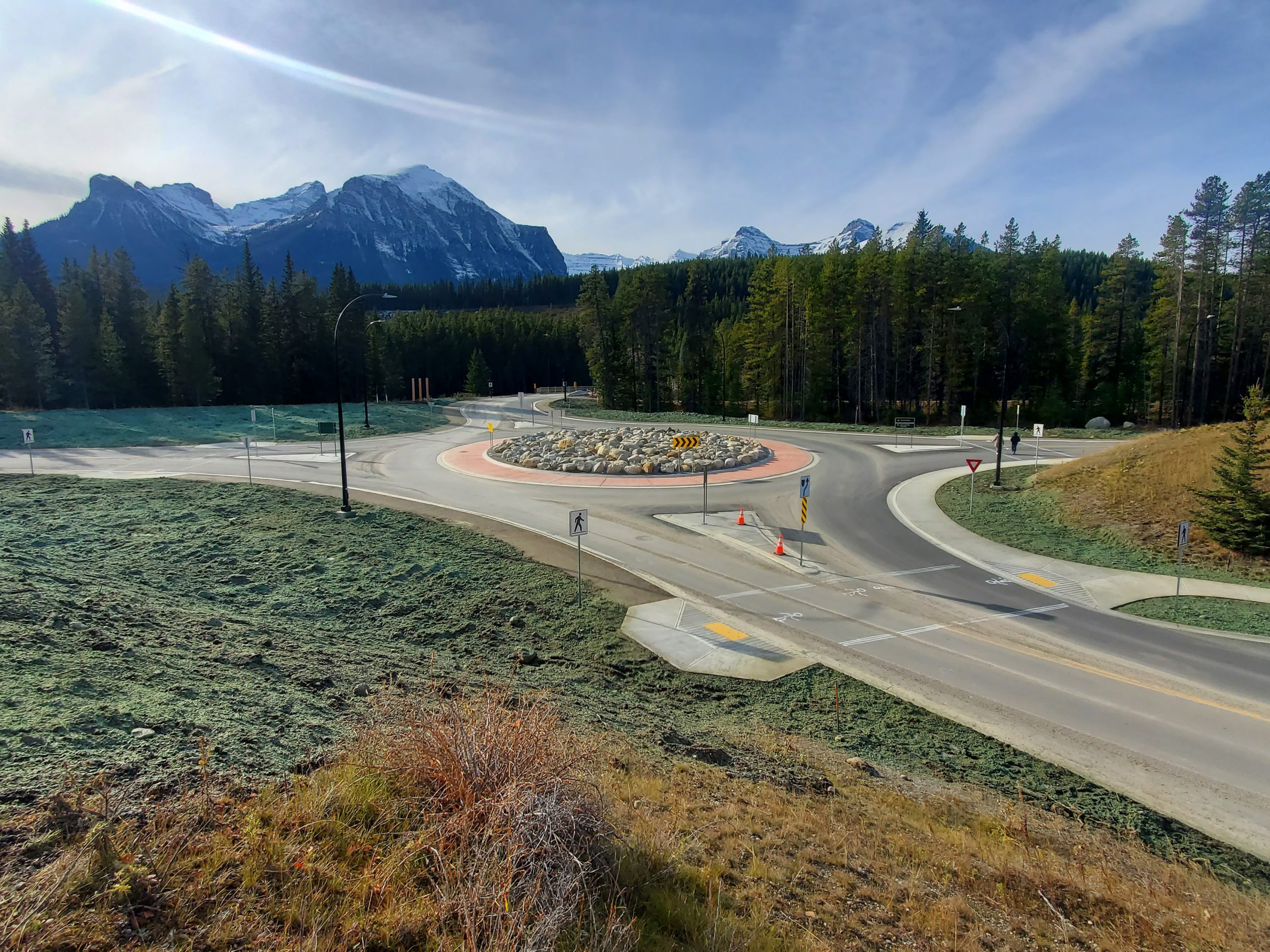
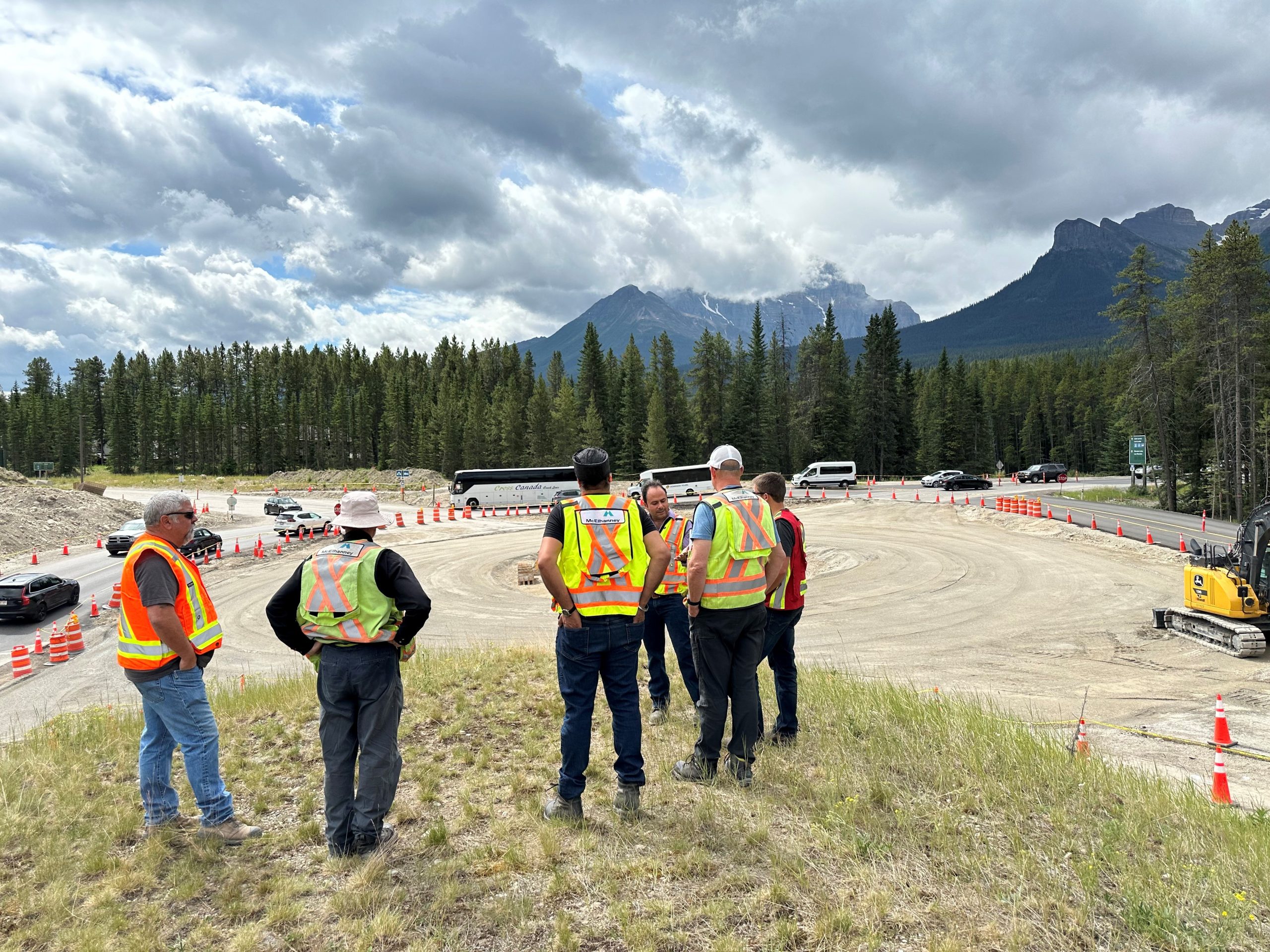
- Roundabout installation: Replacing a four-way stop to improve traffic flow and reduce delays
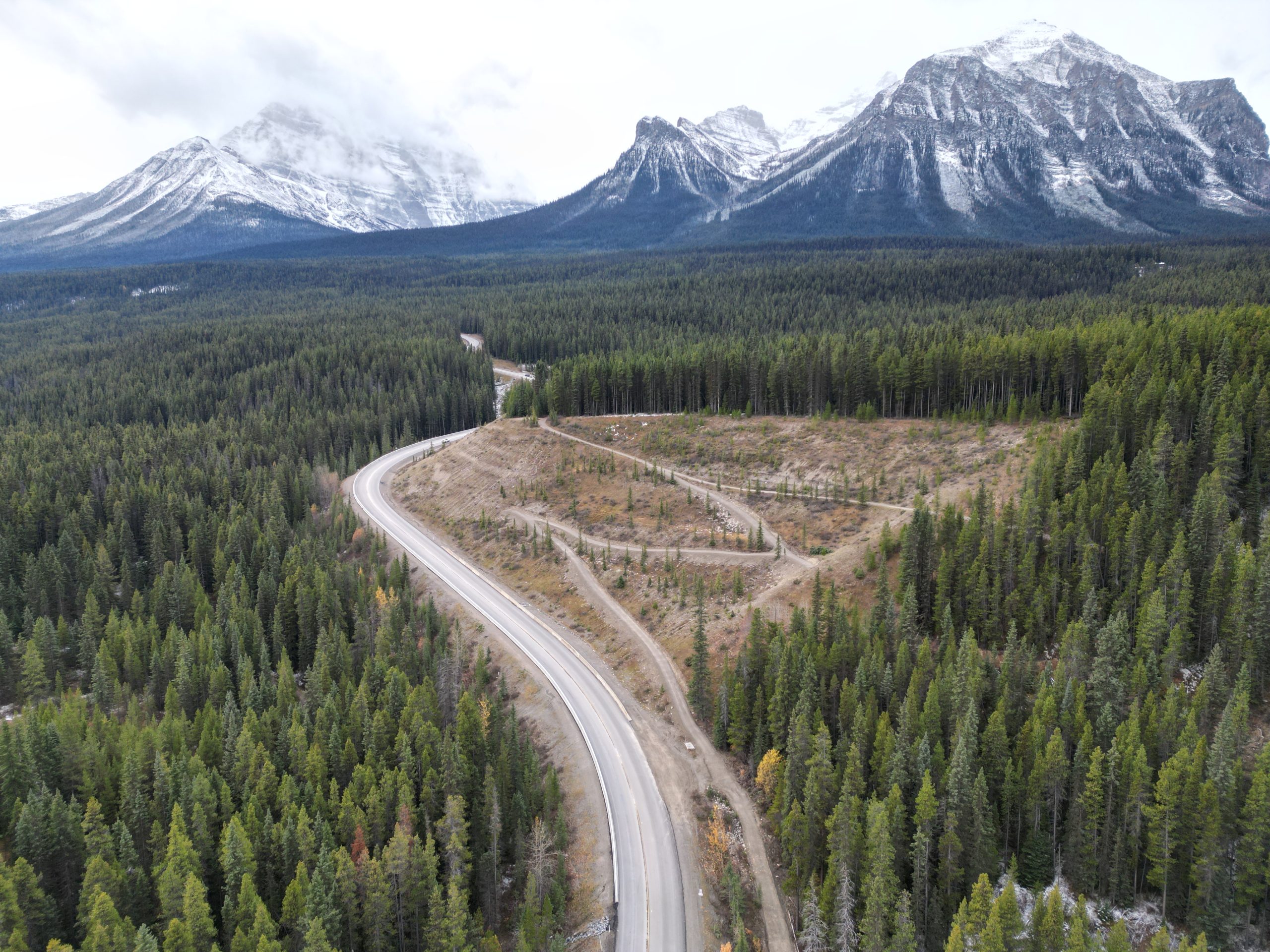
- Road rehabilitation: Durable pavement upgrades, including aramid fibre reinforcement suited to alpine conditions
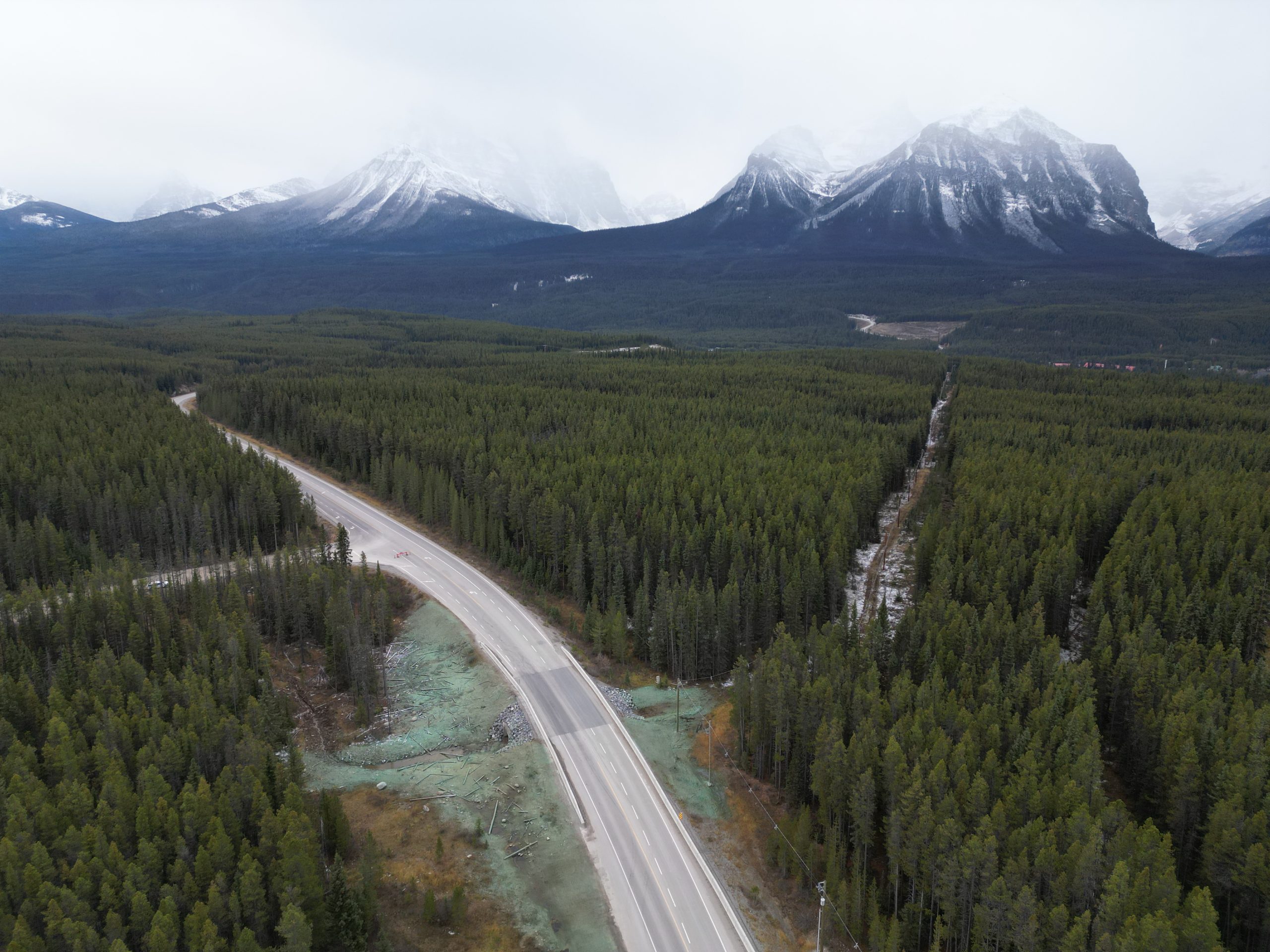
- Wildlife connectivity: A purpose-built wildlife underpass enabling safe crossings for various species, with documented interactions including mule deer, porcupine, grizzly bears, lynx, and moose.
- Active transportation: Trail realignments to reduce disturbance in wildlife corridors
- Environmental protection: Creek stabilization to support fish habitat and limit erosion
- Traffic management: Coordinated construction and operations to maintain peak-season access
This approach ensured mobility improvements supported ecological outcomes – not at their expense.
Results: Safer Travel and Stronger Ecological Connectivity
The program improved safety and traffic flow while supporting more reliable access for visitors. It also reduced wildlife–human interactions through new connectivity measures and delivered resilient infrastructure designed for long-term use, all while protecting critical habitat and ecological integrity.
Transportation Infrastructure Award Recognition
The project received an Award of Merit at the 2026 Consulting Engineers of Alberta (CEA) Showcase Awards, recognizing excellence in transportation infrastructure in complex environmental contexts.
McElhanney provided:
Planning & Analysis
- Transportation planning
- Traffic analysis
- Visitor use analysis
- Data analysis
Engineering Design
- Civil engineering
- Roadway design
- Intersection design
- Pavement design
Environmental Services
- Environmental planning
- Wildlife crossing design
- Habitat restoration
- Environmental mitigation
Active Transportation
- Trail design
- Active mobility planning
Project Delivery
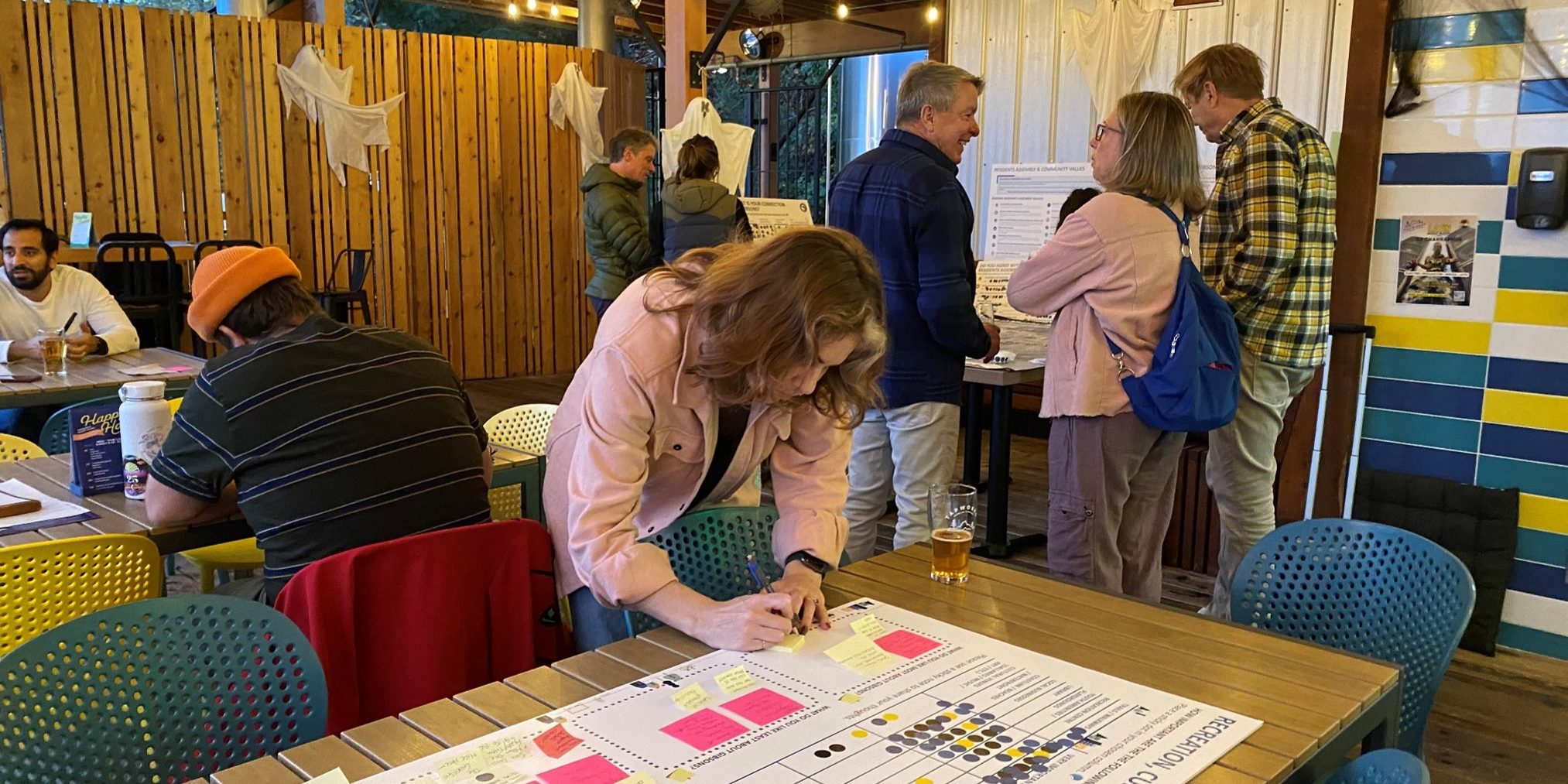
- Public engagement
- Stakeholder coordination in partnership with PCA
- Tender support
- Construction services
Traffic Operations
- Traffic management
- Signage and wayfinding
- Parking planning