We Wai Kai First Nations Housing Strategy
This housing strategy outlined how the First Nation’s housing goals could be achieved to meet the growing needs of those on and off reserve.
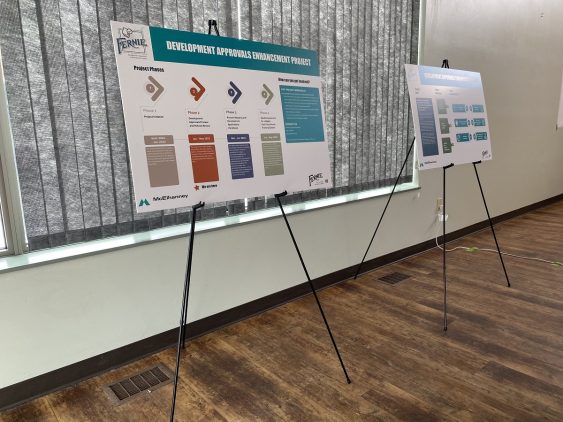
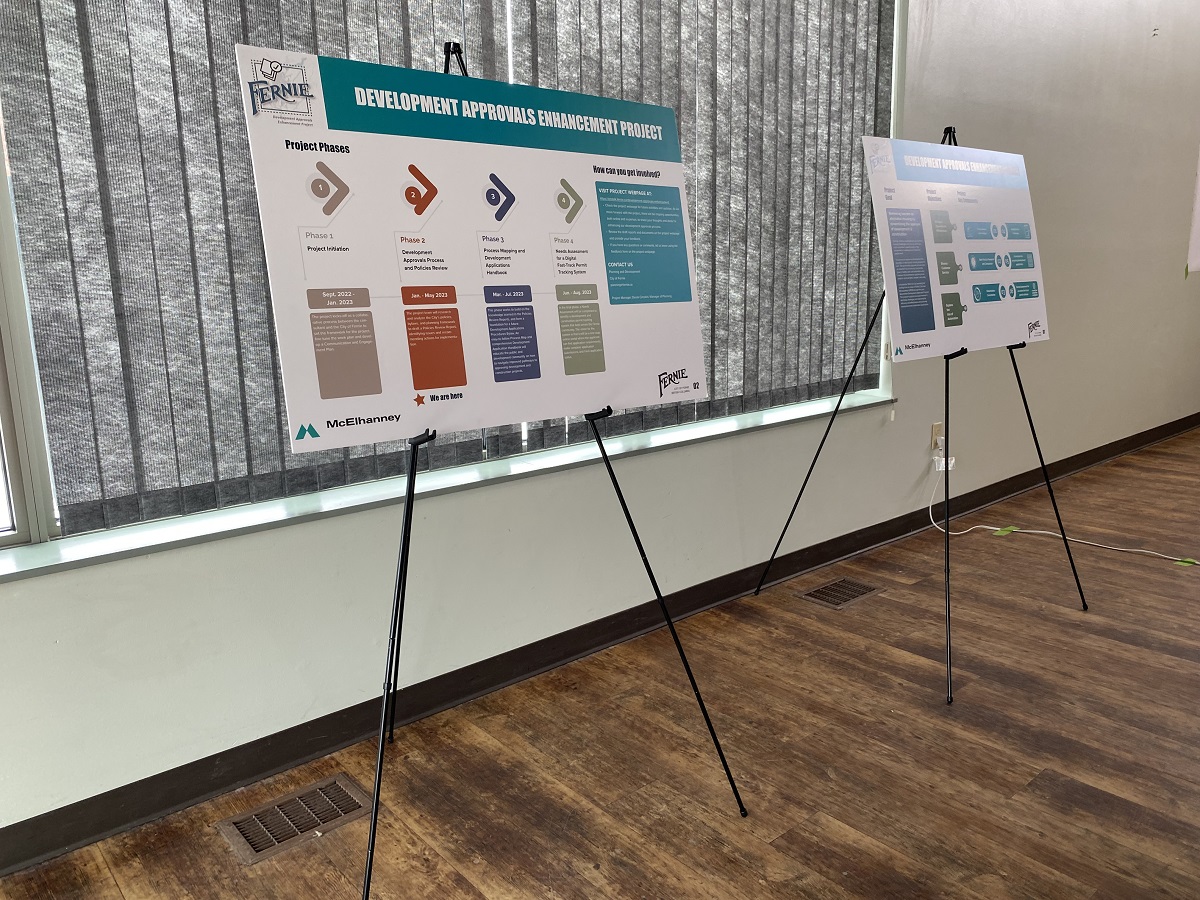
The City’s development approval enhancement project created a more efficient, transparent, and responsive development approval system.
McElhanney supports small and medium-sized municipalities by providing planning services so that they are ready for development.
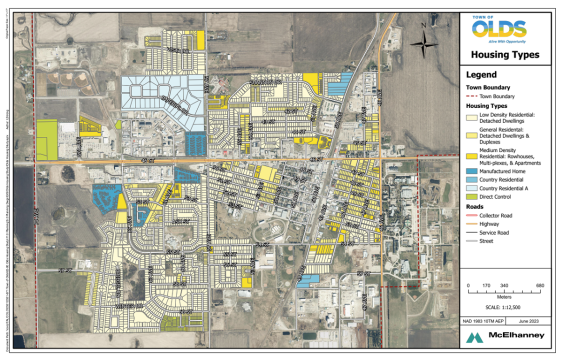
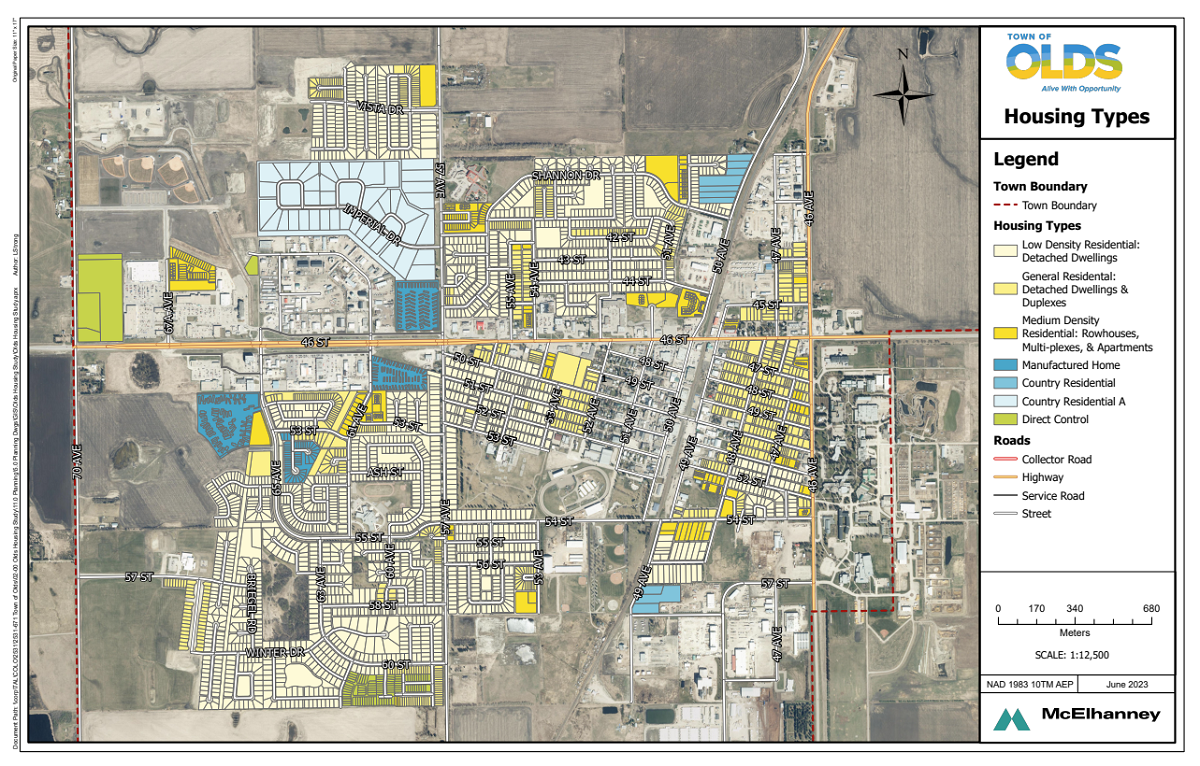
The Town of Olds engaged McElhanney to complete a Housing Needs Assessment to examine and present housing needs within the municipality.
The next logical step for the BC Powersports Coalition was the development of a best practices guide to inform development in BC.
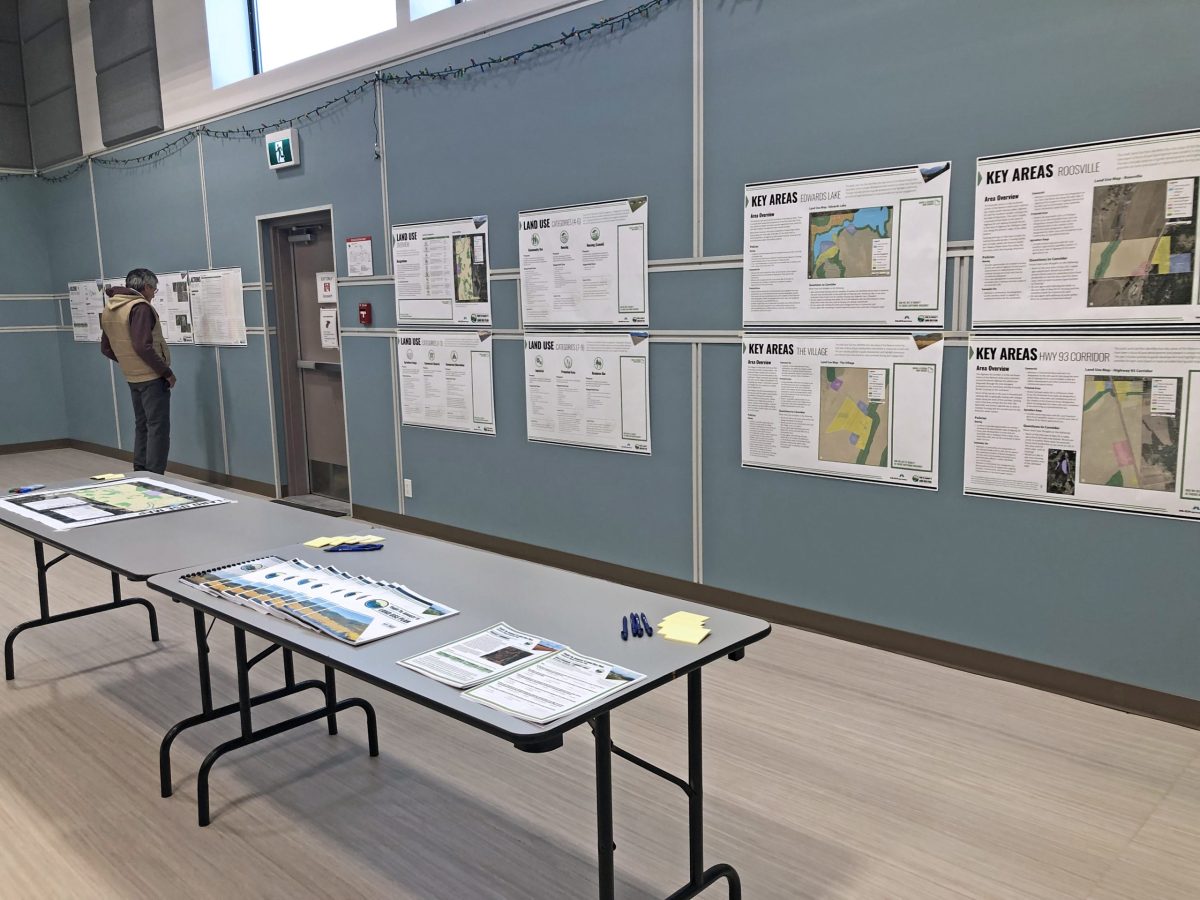
The Yaq̓it ʔa·knuqǂiʔit (Tobacco Plains) First Nation wished to create and implement a land use plan to meet the needs of its people.
McElhanney’s province-wide presence and knowledge of local requirements offered a blend of expertise and familiarity that supported project success.
McElhanney’s GIS system, Vertisee, was used to identify potential land use conflicts and synergies, for a land use plan as part of the implementation of the First Nations Land Management Act for Haisla First Nation.
High River, AB – The Town of High River, Alberta, had an outdated set of bylaws which dated back to 1980. McElhanney was retained to re-write the Town’s Land Use Bylaw based entirely on walkability; the first of its find in Alberta.