Penticton Outdoor Public Skating Rink
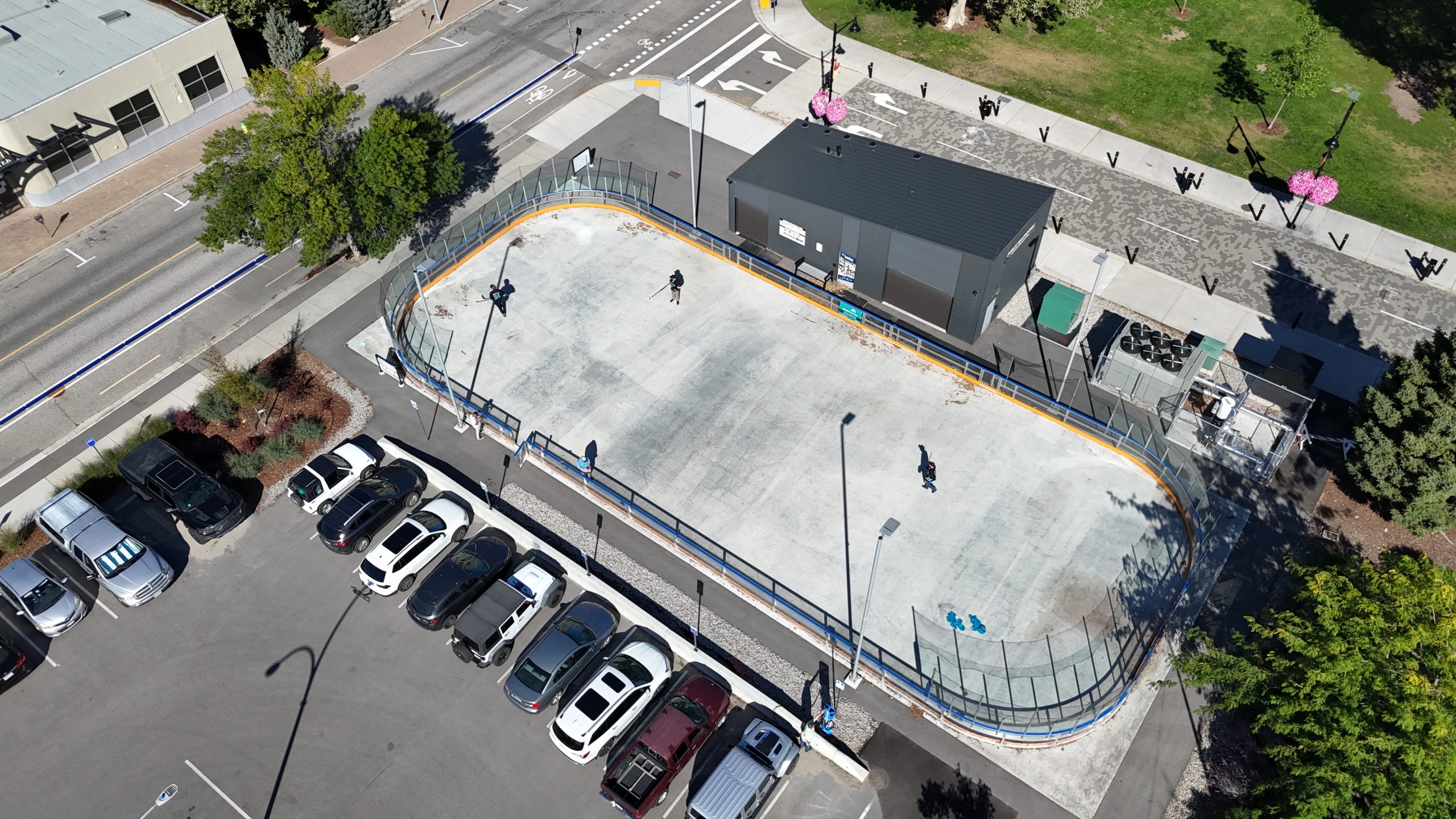
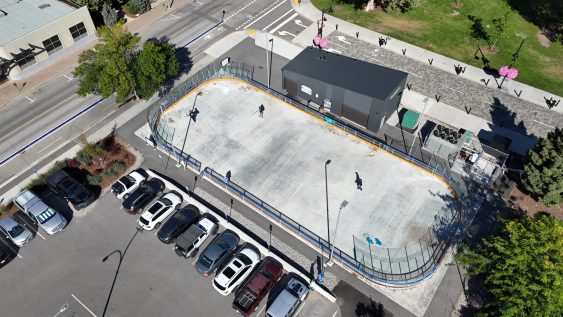
This free, outdoor, public skating rink in downtown Penticton would add vibrancy to the community. Could McElhanney be involved?

This free, outdoor, public skating rink in downtown Penticton would add vibrancy to the community. Could McElhanney be involved?
McElhanney’s province-wide presence and knowledge of local requirements offered a blend of expertise and familiarity that supported project success.
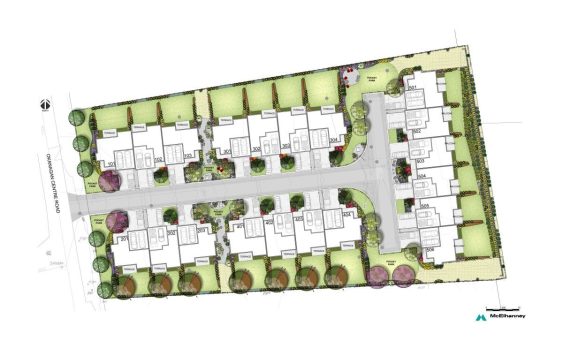
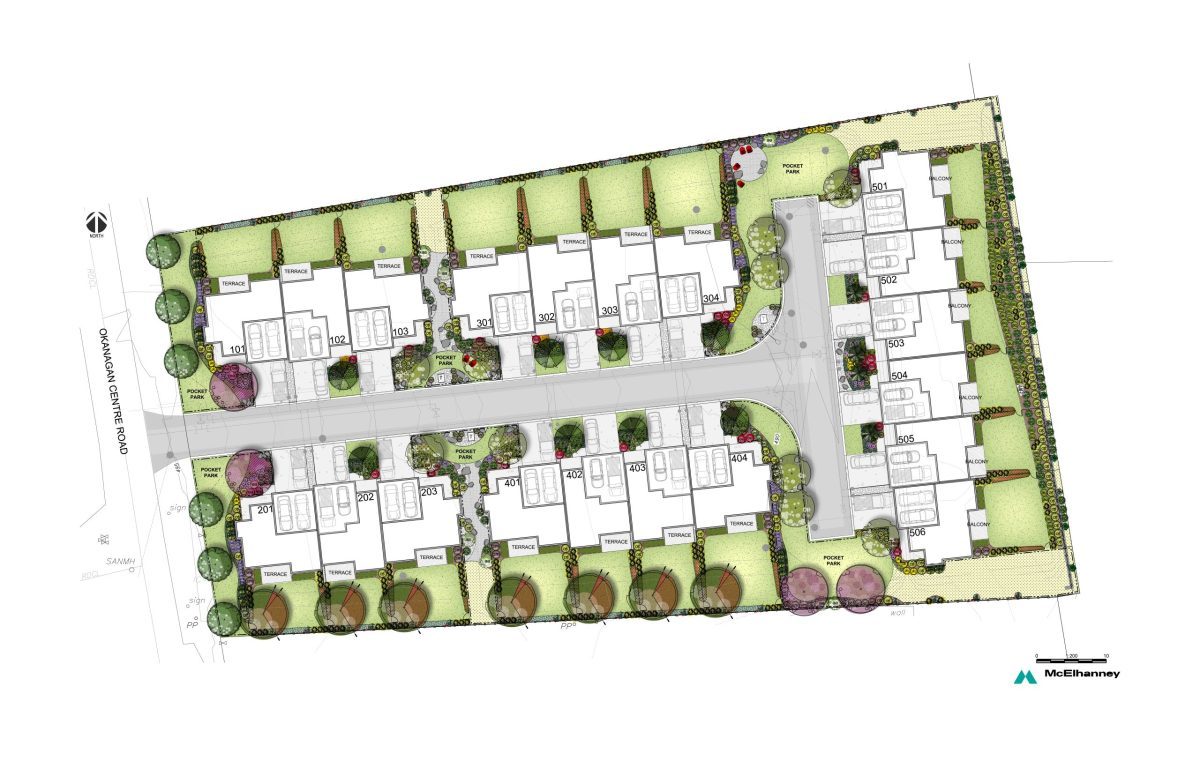
This multi-family housing would fill the gap between high-density townhomes and expensive single-family homes, but there was a time-sensitive challenge.
McElhanney’s familiarity with the Ministry of Forest’s approval requirements translated to a streamlined reporting process.
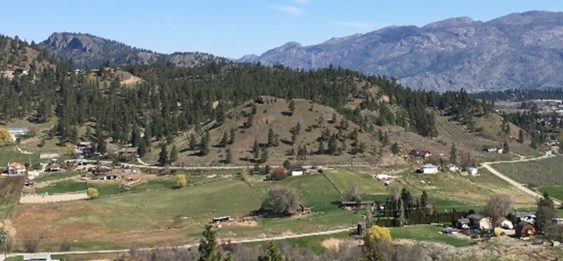
McElhanney contributed to the protection of at-risk ecosystems and species, while allowing a new housing development to move forward.
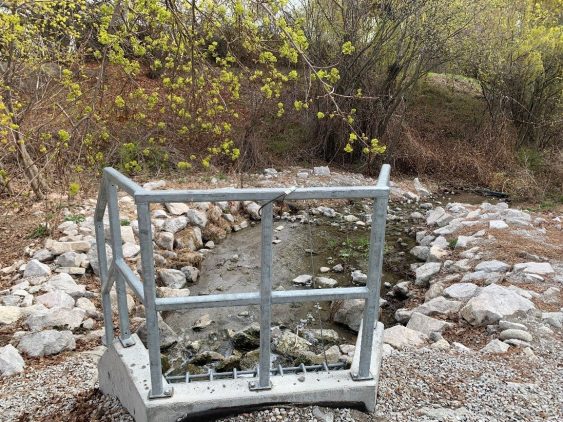
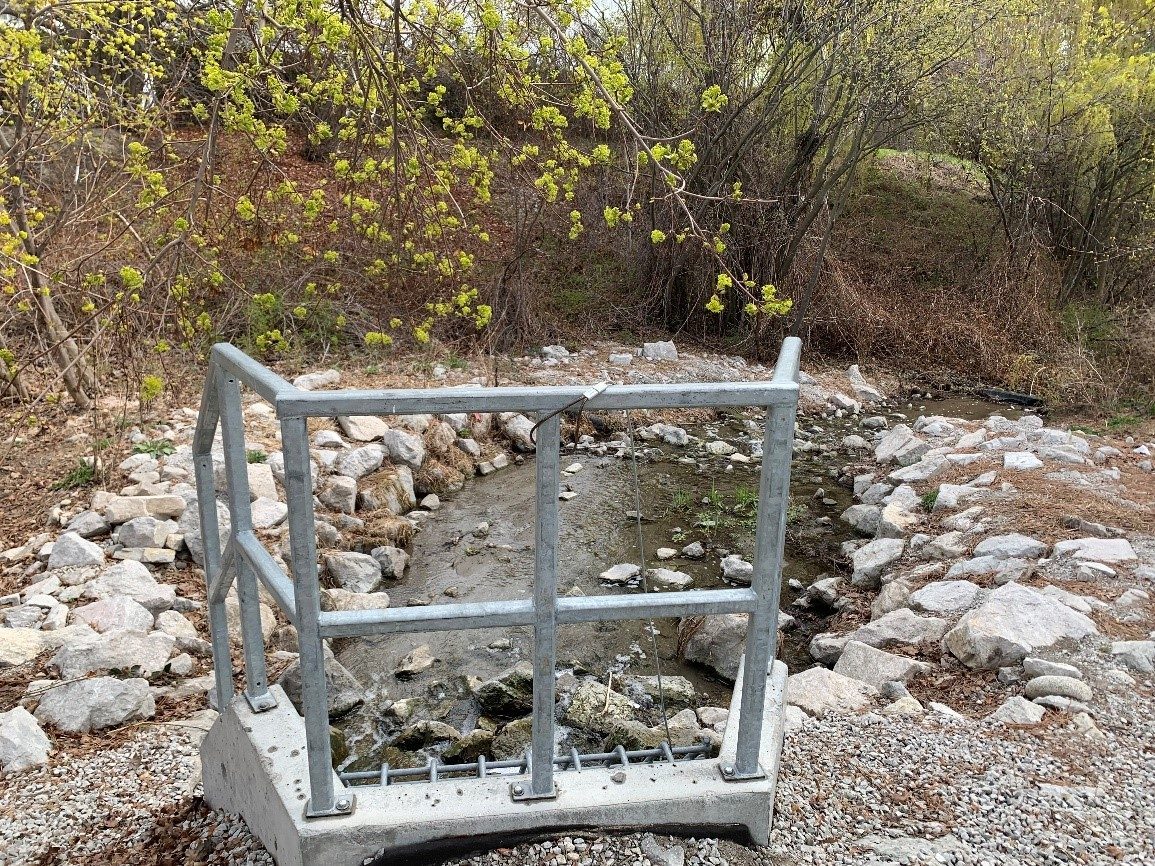
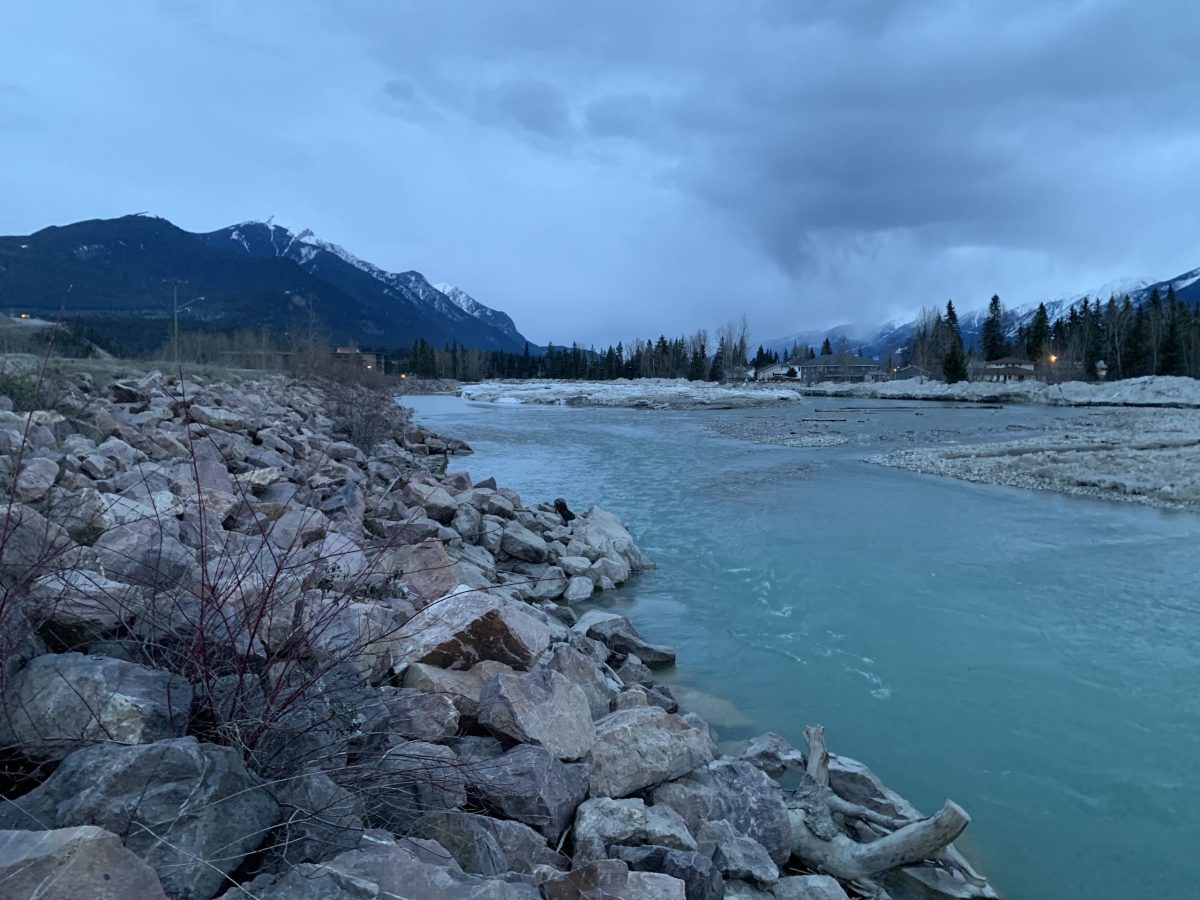
With a site including both a floodplain and a creek, the success of this development was contingent on the results of McElhanney’s engagement.
McElhanney’s in house web mapping platform, Vertisee, was used to host all of the relevant project information including current and historical assets, orthophoto, LiDAR and field crew assessments.
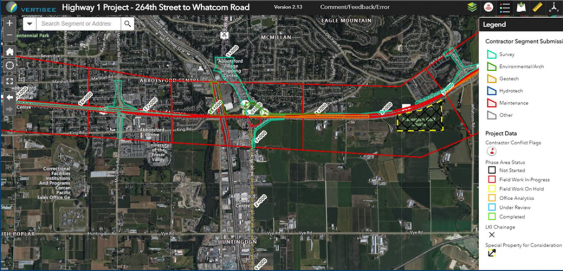
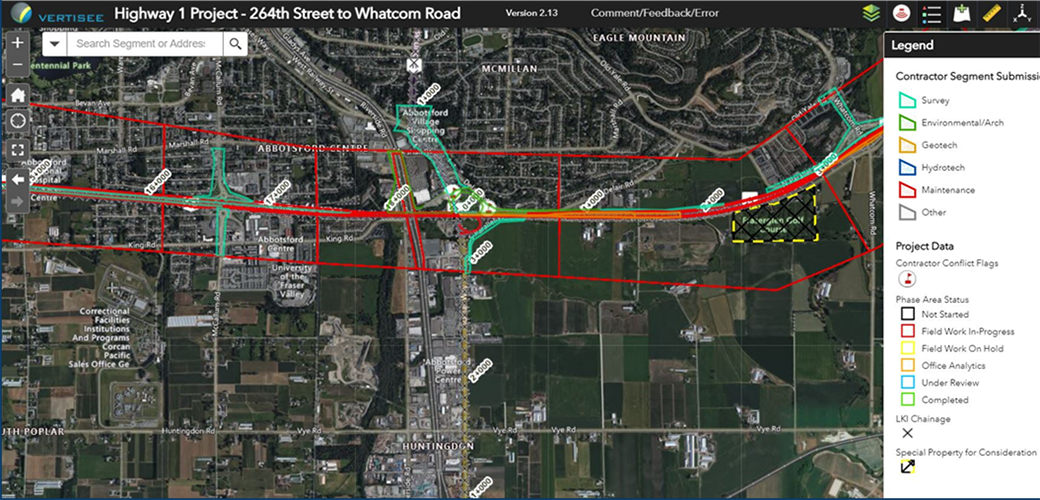
McElhanney deployed Vertisee, its own web-based mapping solution, and developed a tool within it which allowed multiple consultant / subcontractors to submit work simultaneously during the Highway 1 road upgrades.
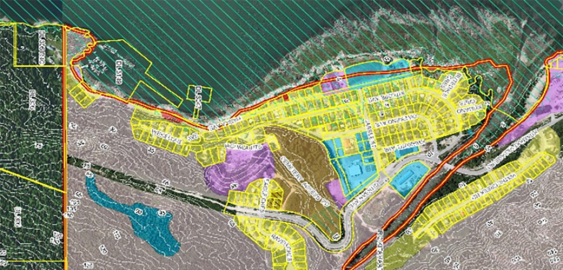
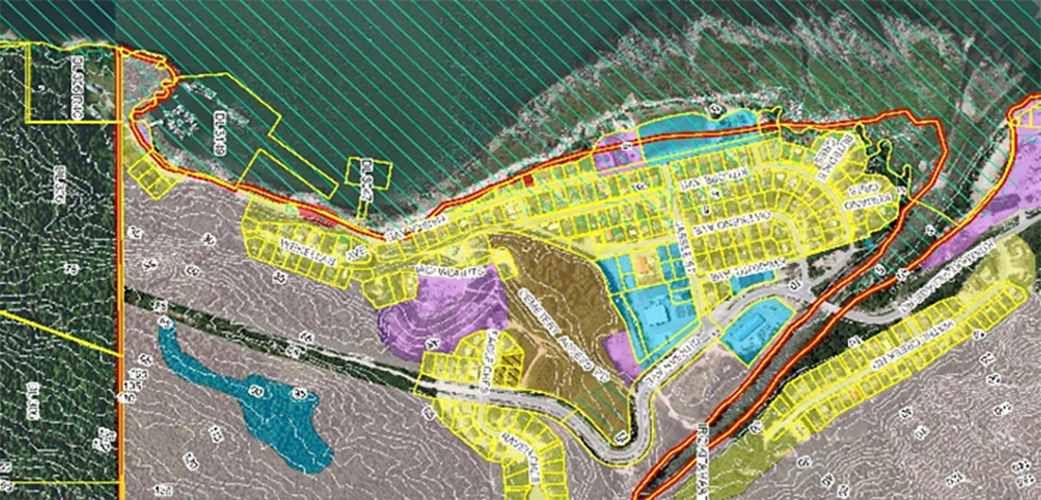
McElhanney’s GIS system, Vertisee, was used to identify potential land use conflicts and synergies, for a land use plan as part of the implementation of the First Nations Land Management Act for Haisla First Nation.
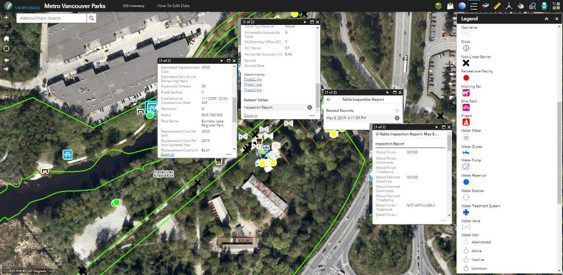
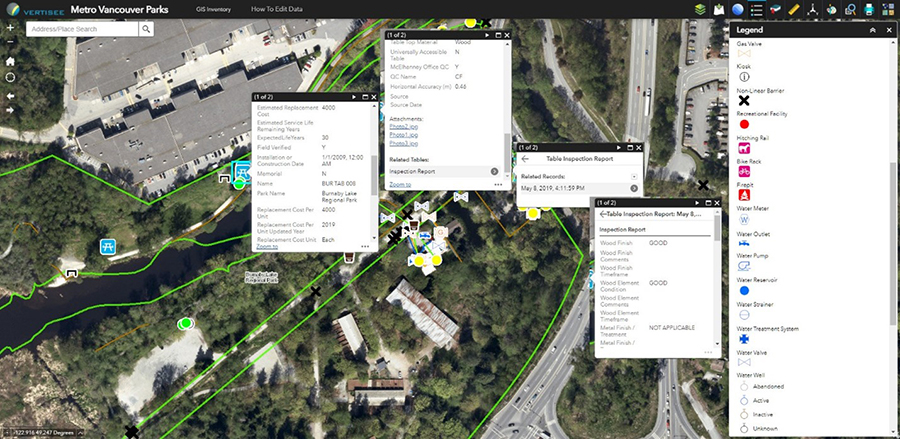
McElhanney designed and implemented a mobile field program and desktop conversion of various data sources to update Metro Vancouver Regional District’s spatial database of all assets owned and maintained by the Parks department.